A Practical Guide to Choosing Your Buggy in Dubai
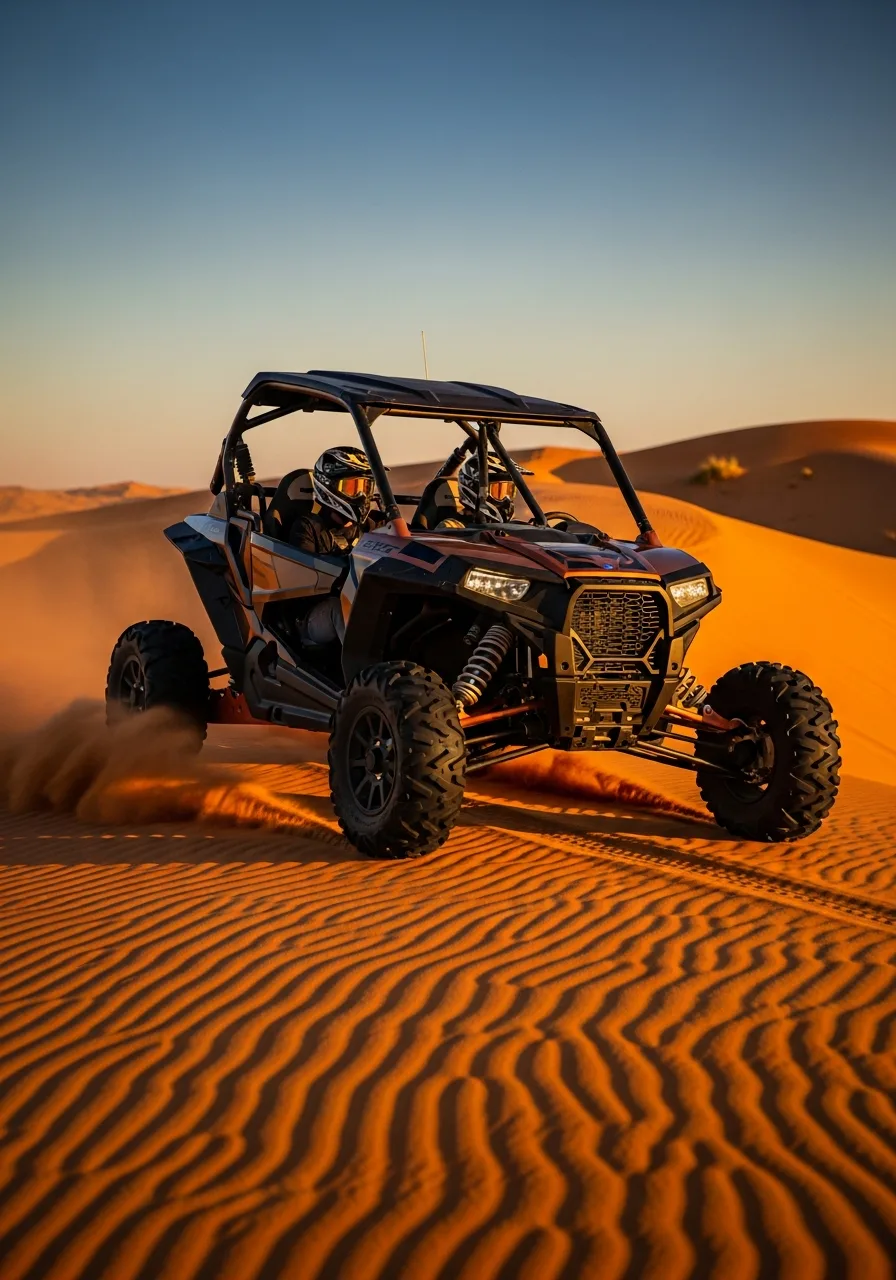
Dubai's desert landscape offers some of the most exciting off-road terrain in the world. Whether you plan to explore the dunes for recreation or need a robust vehicle for desert work, selecting the right buggy is essential. The market has grown quickly, with many models, power options, and features to consider. This guide walks through the key factors to weigh before making a choice, so you end up with a buggy that suits your needs and the local environment.
Understand the Terrain and How You Will Use the Buggy
The Dubai desert is not a single surface. You will find soft sand that shifts under tyres, hard-packed gravel patches, and sudden drops or rises in the dunes. A buggy that performs well on one surface may struggle on another. Start by being honest about where you intend to drive most often. If your plan is to ride the big dunes near Al Awir or the sweeping sands of the Al Marmoom reserve, you need a buggy with good flotation and power. If you mainly stay on maintained tracks or work on a farm, a lighter utility model may be enough. Think about frequency too. A weekend hobbyist has different durability needs than someone who drives daily. This first step narrows your options considerably.
Choose Between Two-Seat and Four-Seat Models
Buggy capacity is a practical decision. Two-seat buggies are more manoeuvrable, lighter, and generally faster on tight trails. They are easier to load onto a trailer and cost less to buy and maintain. Four-seat buggies offer more versatility. You can bring along family or friends, and the extra space is useful for carrying gear, water, or recovery equipment. The trade-off is weight. A heavier buggy sinks more in soft sand and requires more power to climb dunes. If you often drive solo or with one passenger, a two-seat model gives you more fun per dirham. If you regularly take three adults or children, a four-seat buggy makes better sense. Test the seating layout if you can. Some four-seat buggies cram passengers in tight, which reduces comfort on long drives.

Engine Type and Power Output
Buggy engines in Dubai generally fall into two categories: petrol and diesel. Petrol engines are lighter, rev higher, and are the common choice for recreational dune riding. They respond quickly to throttle input, which helps when you need to accelerate out of a soft patch. Diesel engines produce more torque at low revs and run on cheaper fuel, but they add weight and can feel sluggish in deep sand. For most recreational use, a petrol engine from 800cc to 1000cc provides a good balance of power and weight. If you plan to tow a trailer or carry heavy loads regularly, a diesel may be worth the trade-off. Horsepower figures matter less than how the engine delivers power across the rev range. A buggy that peaks at high revs can be exhausting to drive in technical terrain. Look for an engine with a broad torque curve that gives you control at low speeds. Many experienced drivers prefer a reliable 900cc petrol engine for its predictable response.
Check the Suspension and Ground Clearance
The desert floor is uneven. Small bumps at speed can turn into jarring impacts if the suspension is not up to the task. A good buggy should have adjustable suspension, allowing you to tune it for your weight and driving style. Look for independent suspension on all four wheels. This keeps each wheel in contact with the ground, improving traction and comfort. Coil-over shocks with adjustable damping are a sign of quality. Ground clearance matters too. A buggy that sits too low will bottom out on dune crests and may get stuck on rocks. Aim for at least 30 centimetres of clearance under the chassis. Higher clearance helps you cross ruts and dips without scraping the belly. But too much clearance raises the centre of gravity and can make the buggy feel tippy on side slopes. Test drive a few models on a course that mimics what you will ride. Pay attention to how the buggy handles a series of bumps. A well-sorted suspension soaks up the terrain and keeps the tyres planted.
Tyres and Their Role in Sand Performance
Tyres are the single most important component for sand driving. Standard all-terrain tyres will not give you the grip you need on loose dunes. Look for sand-specific tyres, sometimes called paddle tyres or sand tyres, that have deeper treads and wider spacing between the lugs. These tyres dig into the sand and provide forward thrust. Width is critical. A wider tyre spreads the buggy's weight over a larger area, reducing sinkage. Many buggies in Dubai run tyres that are 25 to 28 inches tall and 10 to 12 inches wide. Air pressure is another variable. Lower pressure increases the tyre's footprint. Most sand drivers run pressures around 8 to 12 psi, depending on sand conditions. Some buggies come with bead-lock rims that keep the tyre seated at low pressure. If you plan to drive on hard surfaces to reach the desert, consider a model that lets you adjust tyre pressure easily or carry a small compressor. Safari Desert Dubai offers guided tours and rentals, and their fleet buggies often have well-matched tyre setups for local conditions.

Safety Features and Build Quality
A buggy is only as good as its safety gear. Start with the frame. A proper roll cage made from welded steel or aluminium tube protects you if the buggy overturns. Check that the cage extends above the occupants' heads and has sturdy cross braces. Seat belts are non-negotiable. Look for four-point or five-point harnesses that keep you firmly in the seat. A kill switch, often attached to a lanyard, stops the engine if you are thrown from the buggy. This is a legal requirement in many desert areas. Lighting matters too. If you ride near dawn or dusk, a bright headlight and rear light help others see you. Some buggies include a whip antenna with a flag for visibility over dunes. Build quality reveals itself in the details. Inspect welds for consistency. Check that bolts use lock washers or thread-locking compound. Look at the wiring. Is it routed neatly and protected from sand and moisture? A well-built buggy withstands the harsh desert environment. Pay attention to the materials used for the chassis and suspension arms. Stainless steel fasteners resist corrosion from sweat and humidity. A buggy that cuts corners on build quality will cost you more in repairs than the initial savings.
Consider Storage and Transport
Buggy size affects how you get it to the desert. A large four-seat buggy may require a trailer with a ramp and a tow vehicle capable of handling the weight. Many buggies weigh between 400 and 700 kilograms. Check the payload capacity of your vehicle before buying. If you do not have a suitable tow vehicle, a lighter two-seat buggy that fits in the back of a pickup truck may be more practical. Some buggies are designed to be transported on a flatbed trailer. Measure the length and width of the buggy and ensure your trailer meets the legal dimensions for road transport in Dubai. Storage at home is another consideration. A buggy left in direct sunlight will fade and degrade. Plan for a shaded parking spot or a garage. The desert environment is hard on rubber, plastics, and electronics. Regular cleaning and maintenance become part of ownership. Safari Desert Dubai maintains its fleet to high standards, which is a good reference for what to expect from a well-cared-for buggy.
Budget Beyond the Purchase Price
The purchase price is only the first expense. Factor in registration, insurance, and any modifications you may want. Sand tyres, a stronger roll cage, or upgraded suspension can add thousands to the total. Maintenance costs vary. A buggy that sees weekly use will need oil changes, filter cleaning, and tyre replacement more often. Budget for a basic tool kit and a spare tyre. Some owners join a local buggy club or group, which can help share knowledge and reduce costs through group buys on parts. If you are new to the hobby, consider renting a buggy for a few trips to understand what you value most. That experience will guide your purchase better than any spec sheet. The right buggy for you balances performance, comfort, durability, and cost in a way that matches your actual use, not your ideal vision of desert driving.
Final Tips Before You Buy
Take your time. Visit a few dealers or rental outlets. Sit in the buggy, adjust the pedals and steering wheel, and see if the layout feels natural. Ask about the warranty and service network. A buggy with local parts support is easier to keep running. Read forums and talk to owners. They will tell you what works and what breaks. Do not rush into a purchase based on looks alone. The best buggy is the one that fits your body, your driving style, and the specific desert you will ride. With the right preparation and a clear idea of what matters most, you will find a buggy that turns every desert trip into a memorable experience.
 Facebook
 Instagram